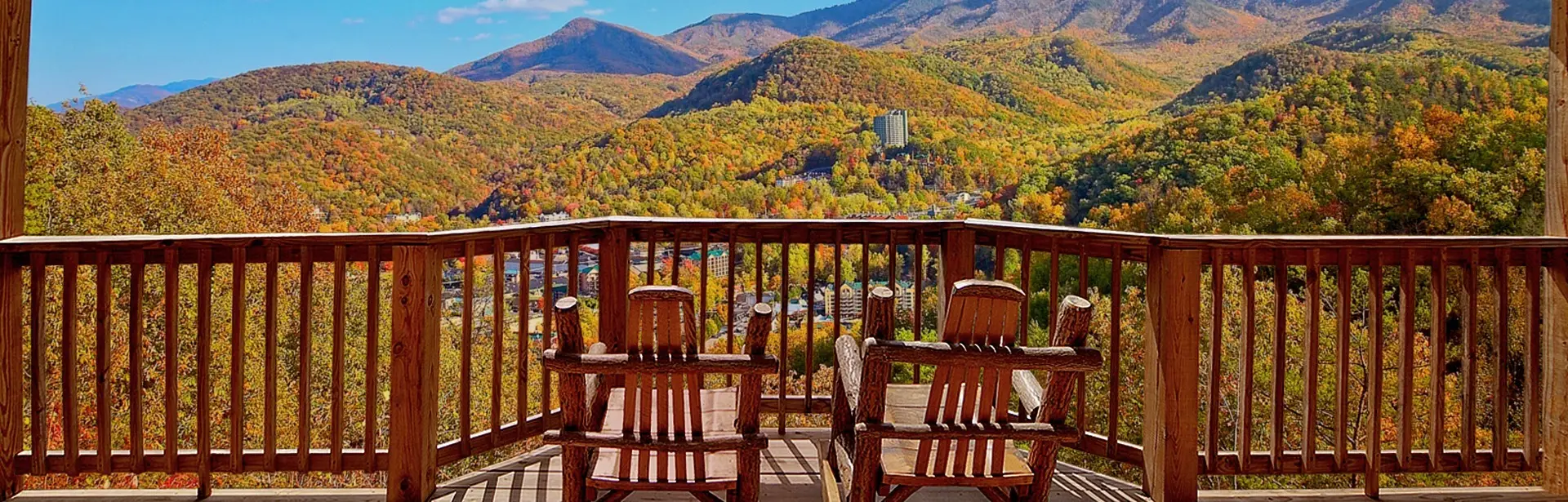
 As soon as the weather warms up in Vermont, we all tend to flock to our decks to relax, socialize, barbecue, and watch the gorgeous New England sunsets. But it is easy to forget the necessary maintenance that will keep your deck in top shape. If you find yourself wondering, “Is my deck safe?” or “How do I know if my deck is safe?”, we at Polli Construction, Inc. are here to help. Read on to view our quick checklist that will help you spot any deck safety problems before they become your worst nightmare:
How To Know If Your Deck Is Safe:
- LOOK FOR SPOTS THAT FEEL SOFT One of the best ways to prevent wood rot is to apply stain annually. But if it does creep into your decking or corner posts, it should be repaired right away. Not doing so can compromise the overall structural integrity, making your deck dangerous. Press a screwdriver into any spot that feels soft. If it sinks in, you’ve got a problem. That’s a good time to call a professional to examine and fix it. You can learn more about Rot Repair.
- CHECK THE FASTENERS AND JOIST HANGERS The metal brackets that support the decking underneath are called joist hangers. If you take a look, you will also see carriage bolts that fasten the deck to the building. Fasteners can sometimes loosen or pull away from it. Also, these metal fasteners and hangers will corrode if they are not compatible with the wood. Many people put rock salt on their porch in the winter to keep a path clear and avoid slipping. This will probably not affect the material. However, salt that falls through the cracks can corrode these metal brackets. Everything may look okay from above, but the fasteners may be rusting underneath. If any fasteners appear to be pulling away or corroding, you should not use the deck until it is inspected and repaired by a professional. Simpson fasteners made a great video that shows you what to look for. You can learn more about deck components.
- CHECK THE FOUNDATION AND SUPPORT POSTS Every porch should be supported by concrete posts that sit below the frost line. In Vermont, that means a minimum of 54 inches below grade, and the addition of a concrete base footing and metal rebar throughout.
If your deck heaves every year or a concrete post looks like it is coming out of the ground at an angle, chances are your concrete was not deep enough or did not have rebar in it. Please do not use the porch until it is repaired, as the support posts could slide off the concrete posts, causing the porch to collapse. If the support posts are not properly fastened to the concrete footings, or the deck is not correctly attached to the house, this also needs to be repaired as soon as possible. Also, make sure your support posts are bolted to the frame. Sometimes these posts are just nailed in, and nails can pull out of the posts over time. - CHECK THE LEDGER BOARD
The ledger board attaches the deck to the house, and if it fails, the porch will collapse. The ledger board must be bolted into the framing of the house, and improved building codes have mandated this for new construction. Unfortunately, many decks were constructed before these codes were in place. The best system to use is a “through bolt.” Holes are drilled into the ledger board, through the wall, and into the house. Then we insert bolts and fasten them on the inside of the wall, or attach them to blocking inside the home. Doing this will prevent your porch from pulling away.
Preventative maintenance, yearly inspections, and proactive repairs will allow you to enjoy your deck safely for many decades. If your deck needs repairs or you’re not sure, contact Polli Construction, Inc. today for a free quote or more information.