Wood Rot in Vermont: Yes, There May Be Funding Help, But It Depends on Why It Happened
If you’ve found wood rot in your Vermont home, you’re probably thinking two things at the same time,- “How bad is it?”
- “How am I going to pay for this?”
Why wood rot is tricky with insurance
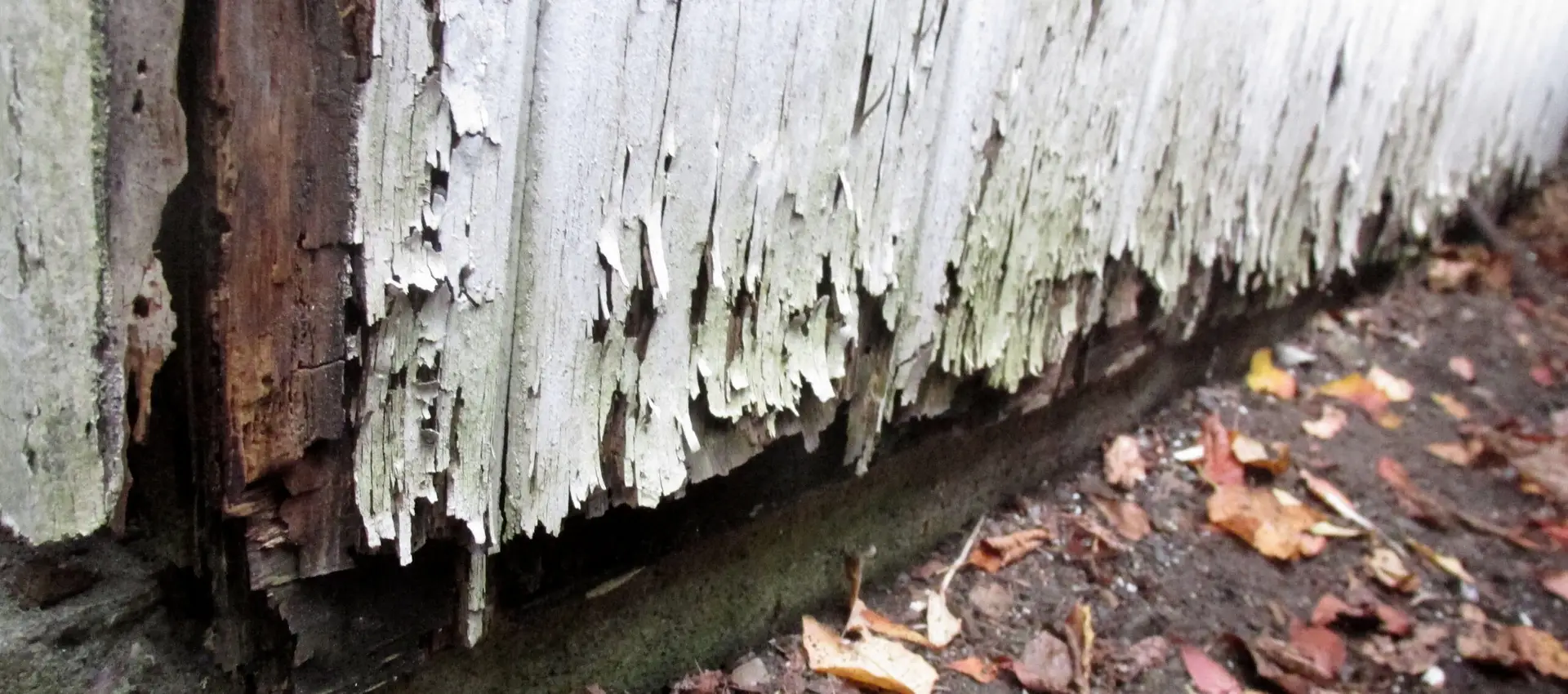
Wood rot is almost always caused by moisture. The insurance question isn’t “Is there rot?”, it’s, Did the moisture damage occur gradually through maintenance, or suddenly in an accident? Most Vermont homeowners’ insurance policies are designed to cover unexpected, sudden events, not long-term wear and tear. That’s why rot ends up in a gray area.What’s typically not covered are slow, gradual maintenance issues
In most cases, homeowners’ insurance in Vermont does not cover wood rot when it’s considered wear and tear or the result of poor maintenance. Insurers often treat gradual rot as something that could have been prevented with routine upkeep. Here are the most common examples that are usually not covered,Slow, gradual moisture buildup
This is the big one. Think,- A faucet that’s been dripping under a sink for months
- Caulking around a tub or window that failed for a long time
- A small roof leak you didn’t notice, or didn’t fix right away
- Clogged or damaged gutters that let water run where it shouldn’t
General deterioration over time
Wood can rot simply because,- The home is older
- A porch or exterior trim has been exposed to the elements for years
- Paint failed, and water got into the wood
- Routine repairs were delayed
What might be covered, sudden and accidental events
Now, for the part that creates real funding possibilities. If the rot is caused by a sudden, accidental event, especially one covered by your policy, there’s a chance your policy could help pay for repairs.1) Burst pipes
A classic example of a “sudden and accidental” issue is a burst pipe. If a pipe suddenly breaks, water floods an area, causing wood damage and, later, rot. Your policy may cover some or all of the repair costs because the event was sudden. Key idea: the covered event is the burst pipe, not the rot itself.2) Storm damage and water intrusion
Vermont weather can be rough on homes. If a storm causes direct damage, like- A tree falling onto the home
- Wind-damaged siding, flashing, or roofing
- Storm-driven rain is entering through a sudden opening
3) Roof damage scenarios
Roof-related rot can be especially confusing. Sometimes, roof decking rot becomes an issue when you’re replacing the roof. In some situations,- The roof damage event may be covered, like storm damage
- The insurer may pay for parts of the repair needed to complete the covered work
The most essential truth is that policies vary, so your next step matters
Even if two Vermont homeowners have the “same problem,” they can get two totally different answers based on,- Their specific policy wording
- The cause of the damage
- Whether it was sudden or gradual
- What endorsements they added, more on that below
- How the insurer interprets the situation
Key actions for Vermont homeowners, this is where the money-saving happens
If you’re trying to find out whether insurance could help fund wood rot repairs, here’s a practical, homeowner-friendly checklist.1) Review your policy, focus on two sections
Look for,- Covered perils: what causes of damage are included
- Exclusions, words like wear and tear, deterioration, rot, fungi, gradual seepage, and maintenance
2) Contact your agent and talk through your scenario
This step is huge. Call your Vermont insurance agent and describe what happened in a simple timeline,- What you noticed
- When you noticed it
- What do you think caused it: a burst pipe, storm damage, etc?
- What areas of the home are affected
- “If this started from a sudden event, would it be considered a covered loss?”
- “Are there endorsements on my policy that expand water or rot-related coverage?”
- “What documentation would you need if I file a claim?”
3) Ask about endorsements that can add protection
If you don’t currently have extra coverage, this is worth exploring before a problem happens. Some endorsements that people ask about include,- Water Backup coverage helps in certain backup situations
- Fungi, Rot coverage endorsements are often limited, but may provide additional protection depending on the policy
4) Don’t delay maintenance, because delay can erase your options
This isn’t meant to scold anyone; rot often hides until it’s serious. But from an insurance standpoint, acting quickly matters because,- Gradual damage is usually excluded
- Waiting can make the issue appear “ongoing” rather than “sudden.”
- Preventable damage is harder to connect to a covered event
5) Preventive maintenance is still the best “funding strategy.”
This might not sound exciting, but it’s the most reliable way to avoid paying thousands out of pocket. Focus on,- Keeping gutters and downspouts working properly
- Sealing and maintaining caulk around windows, doors, and tubs
- Fixing roof issues promptly
- Addressing small plumbing leaks immediately
A simple way to think about your “funding” options
When it comes to insurance support for wood rot in Vermont, here’s the rule of thumb,- Rot from long-term moisture or aging, usually on the surface
- Rot tied to a sudden covered event, burst pipe, storm damage, might be help available
- Endorsements can expand protection, but vary and often have limits
- Your policy and your agent are the only ways to know for sure
What to do next, quick plan
If you want the best chance of financial help,- Identify the likely cause, gradual vs sudden
- Review your policy’s covered perils and exclusions
- Call your Vermont agent and walk through the scenario
- Ask about endorsements for stronger protection going forward
- Fix moisture sources quickly to prevent bigger, and often uncovered, damage