
Often, when we think of rot in a home, we picture visible, superficial damage that can appear long before it becomes a significant issue. Maybe you’ve got some peeling paint or a couple of soft trim boards around your windows. Perhaps some of your siding has a weird look, and you can’t quite decide how you feel about it.
There are times when rot occurs. There’s no question about its severity, and other times you’re lucky to catch a hint at what’s happening below the surface, especially when it comes to non-degradable sidings like vinyl or metal, or metal roofing. Sometimes, even roof shingles can keep rot a secret until it’s time for an already big project. Suddenly, an already costly endeavor can shift from a minor inconvenience to a significant overhaul that affects multiple aspects of your home.
Most commonly, rot is discovered in a few key areas of a home. Firstly, anywhere something is attached to your home, such as a deck, porch roof, or utilities, there is a risk of water intrusion, which will cause and fuel rot within any wood-based parts of your home. Another frequent area of water intrusion is improperly flashed areas around windows, at junctions between walls and roofs, roof valleys, and chimneys. For those less familiar with house anatomy, “Flashing” refers to any material or method used to divert or stop water from entering your home or contacting materials incompatible with a wet environment. Proper flashing can be simple in some situations and very complex in others, with the builder’s skill and experience playing a significant role in the effective implementation of a flashing system.
So now that we know a bit more about how water gets in (and is supposed to be kept out), we can take a look at what happens behind the scenes, in this case, over the years, as vinyl siding sits unassumingly, the sheathing, framing, and eventually the drywall start to succumb to moisture damage.
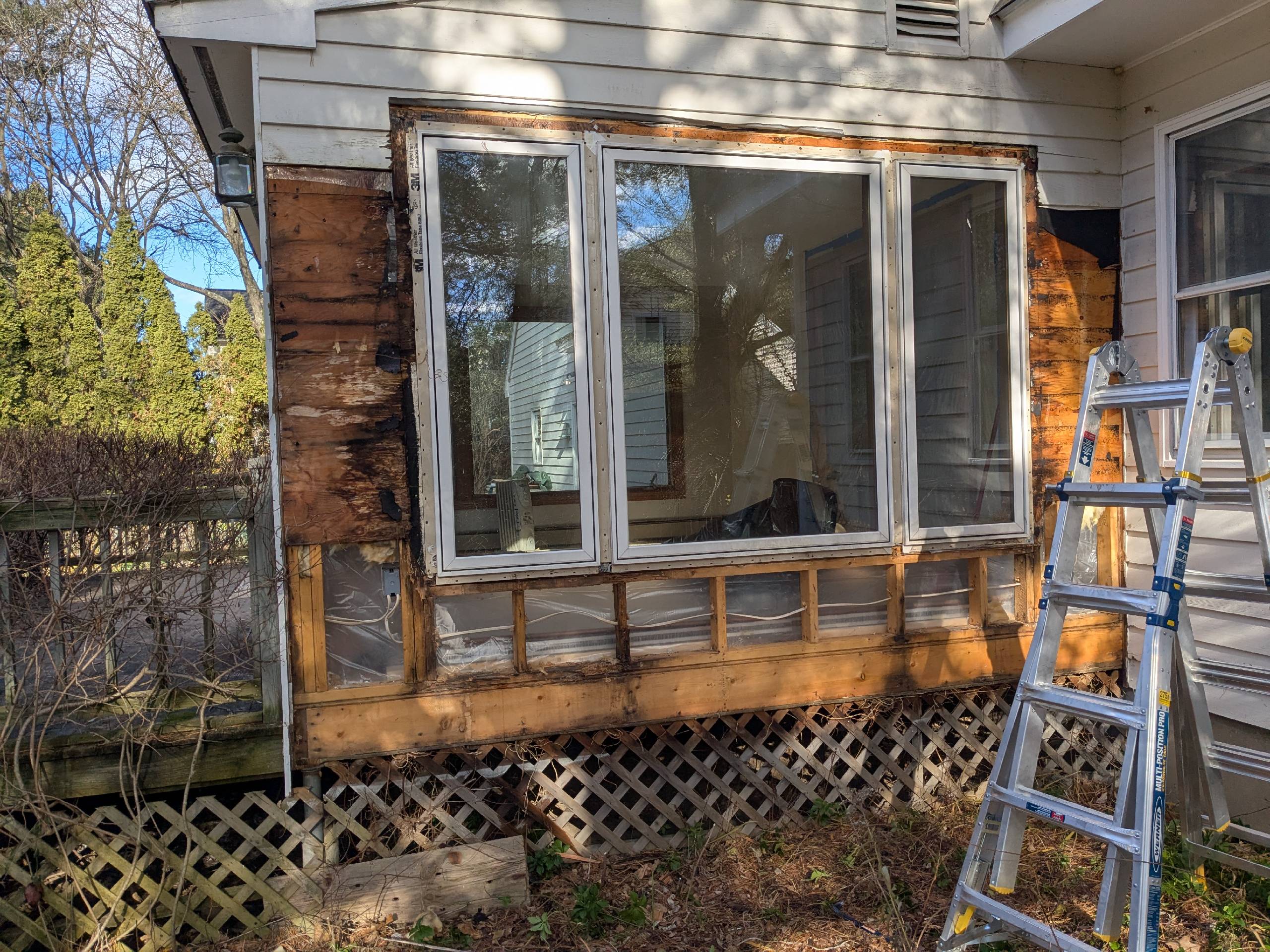
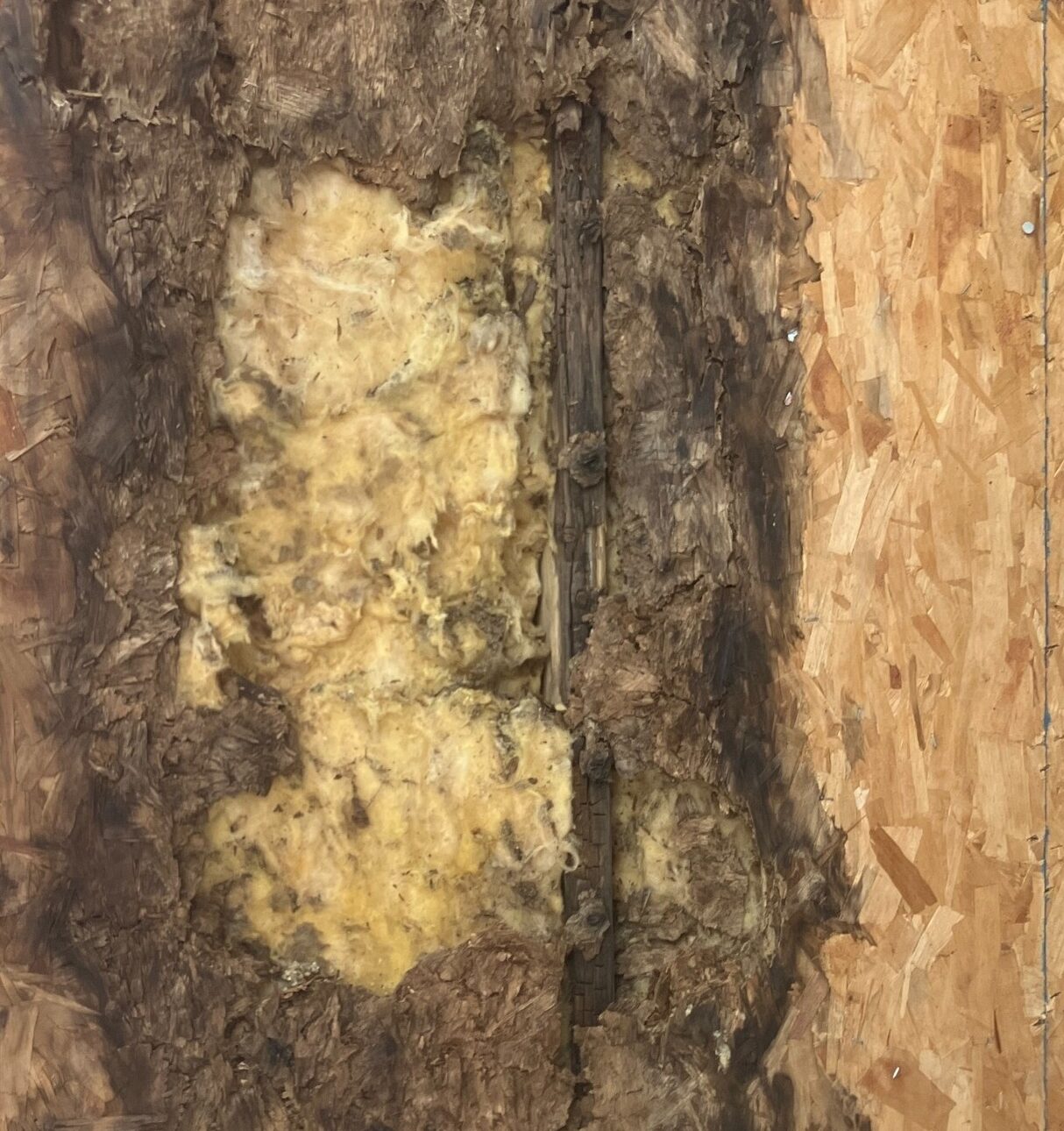
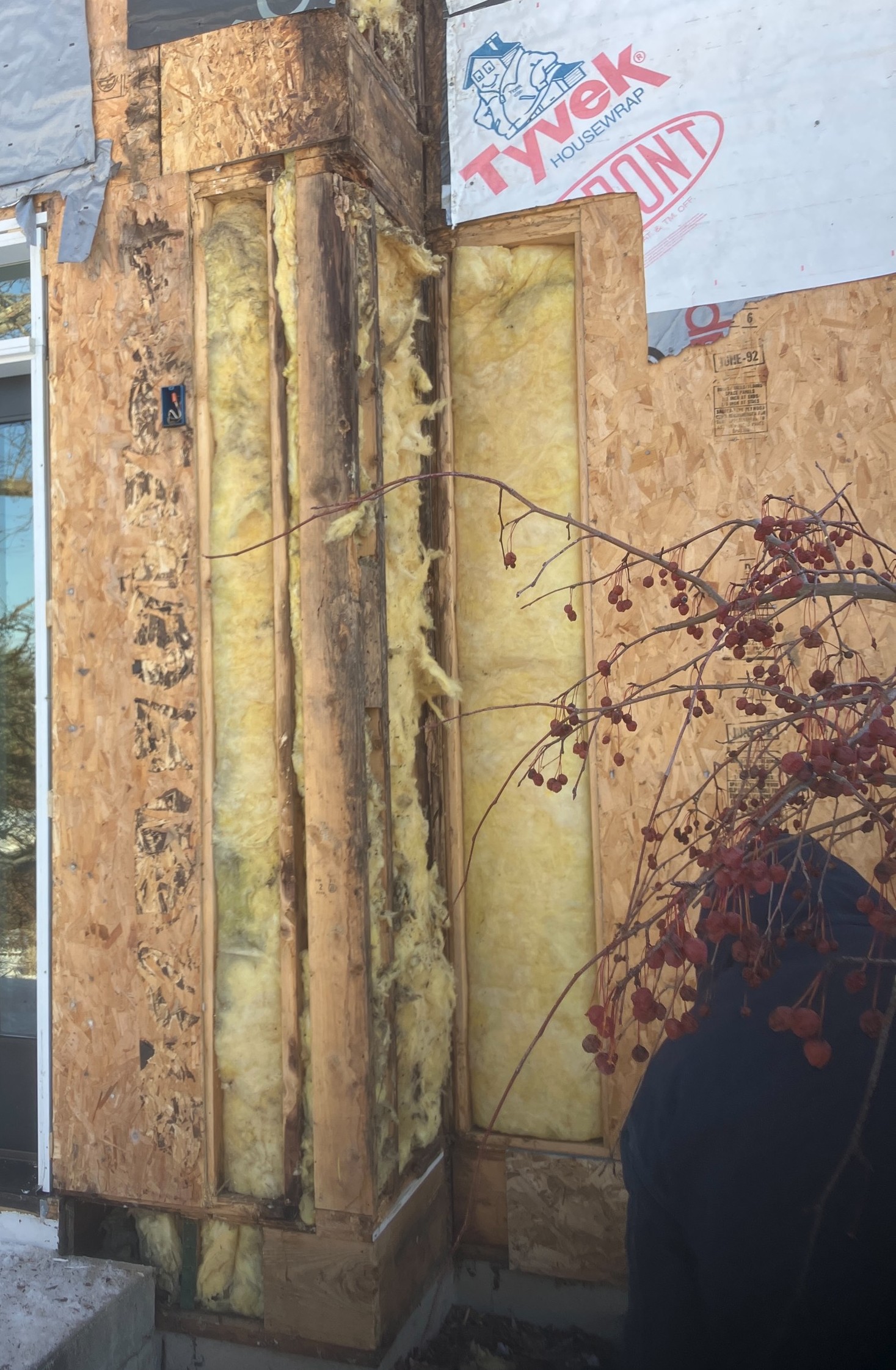
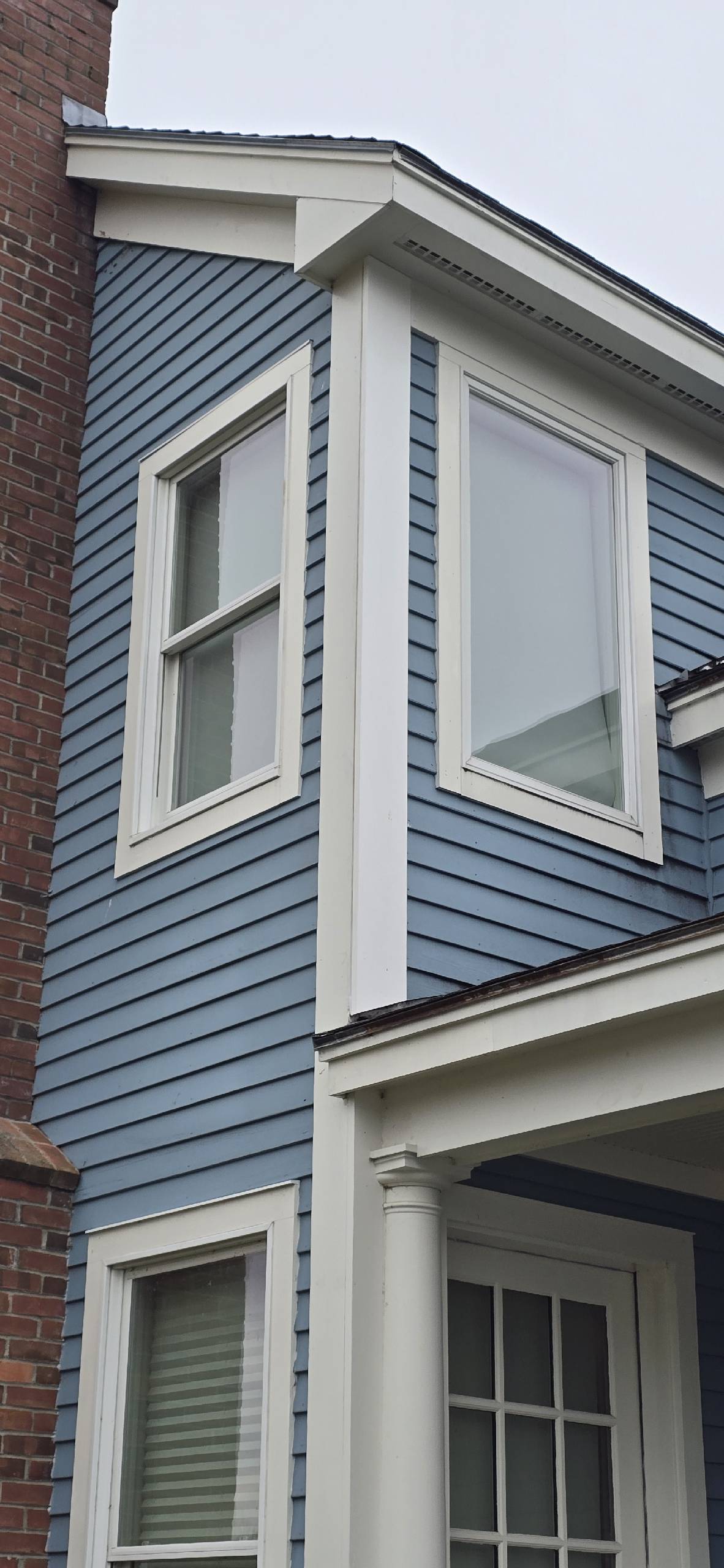
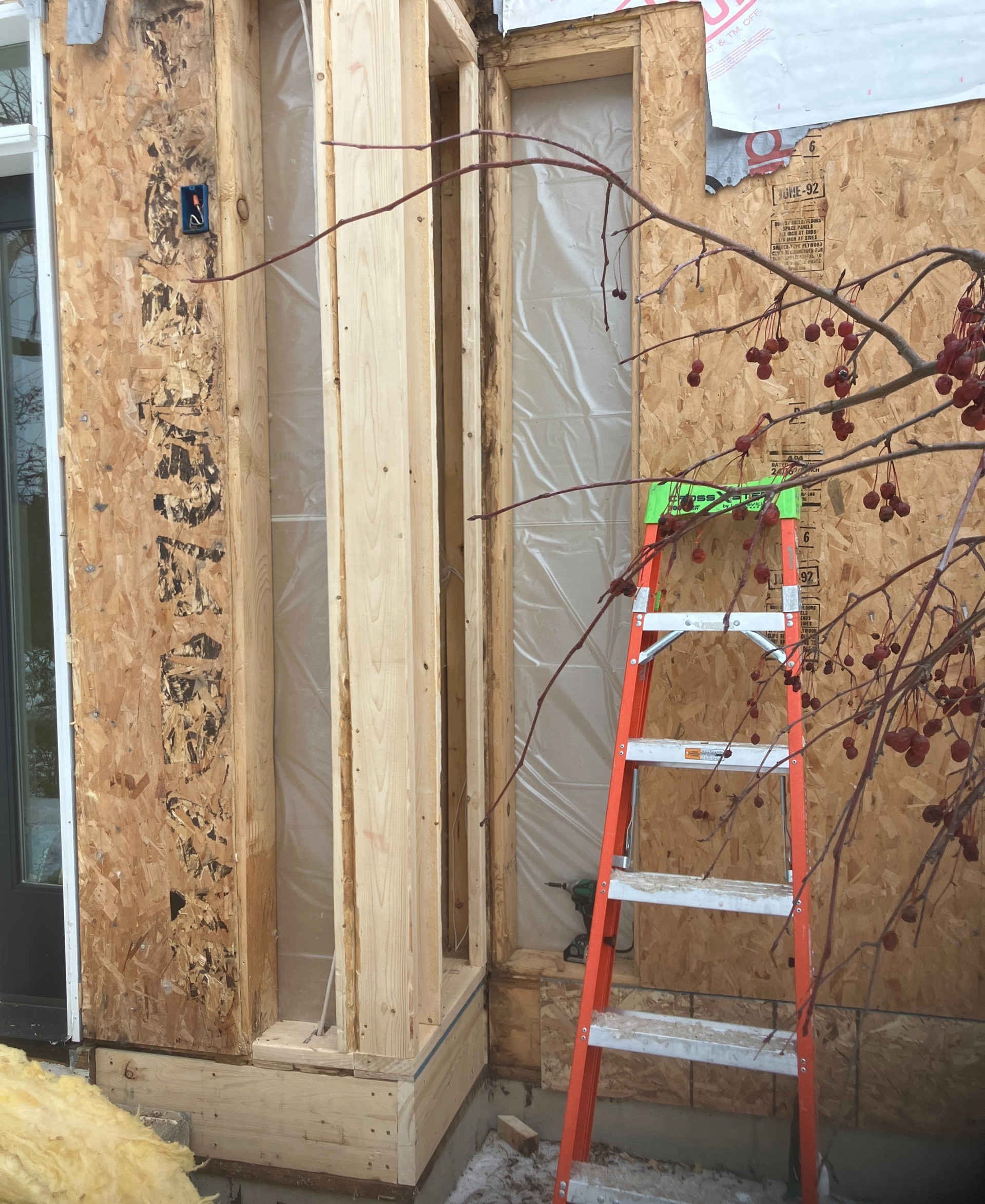
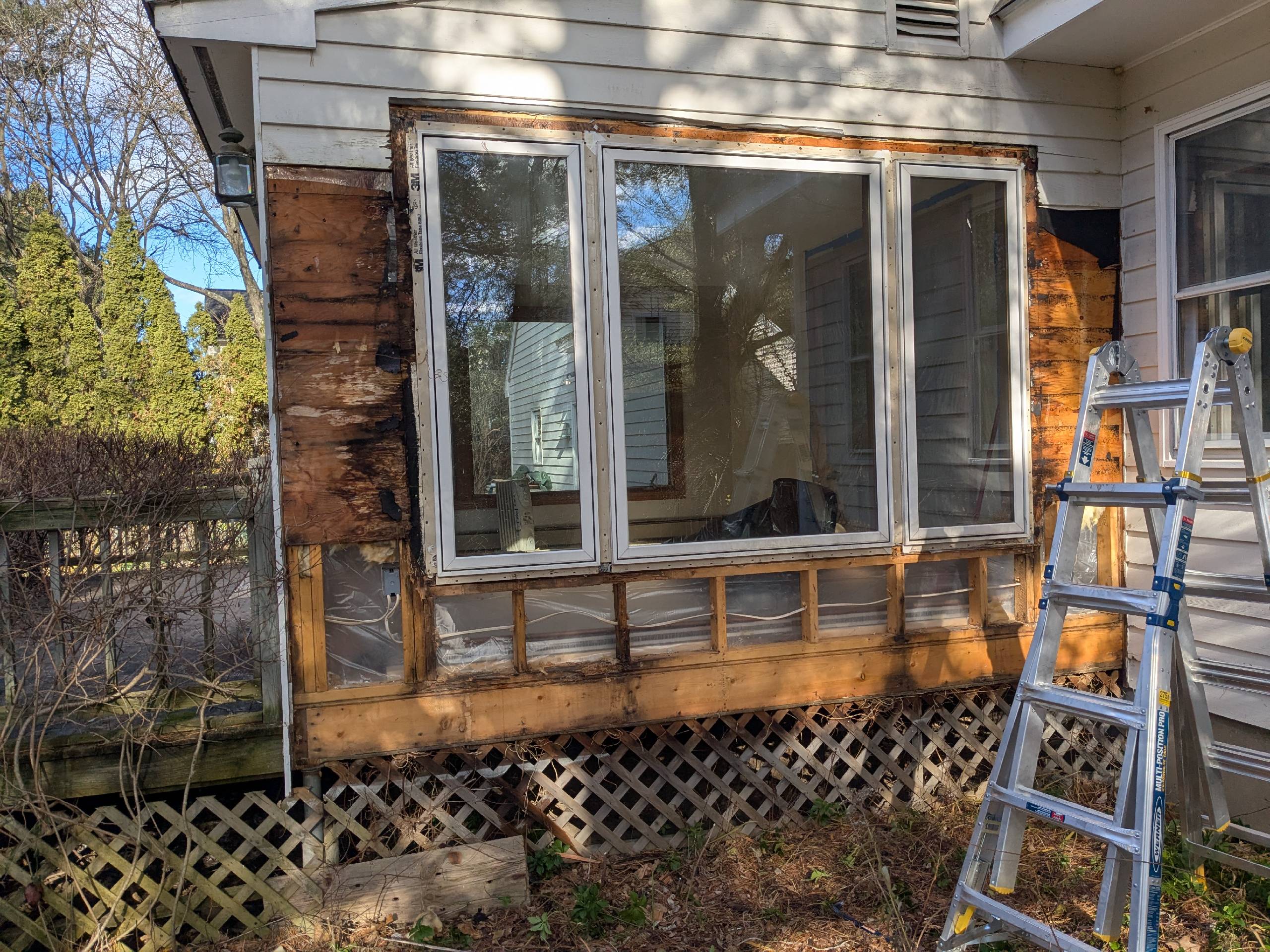
This home showed few warning signs of rot, and the ones visible were likely only apparent to someone experienced in working on buildings with water intrusion. In these photos, we can see substantial damage done to the corner, floor system, and sheathing. All of these parts, being structural aspects of the building, required replacement. Fortunately, the fix was quick in this situation. It could have easily needed repairs that would have encroached on the living space, with rot migrating deeper into the floor system, causing moldy drywall and potentially damaging the finished flooring.
If you suspect or know you’ve got wood rot, don’t ignore it, call the Rot Doctors.